
Student finance
What Is an Access to HE Diploma and Is It Right for You?
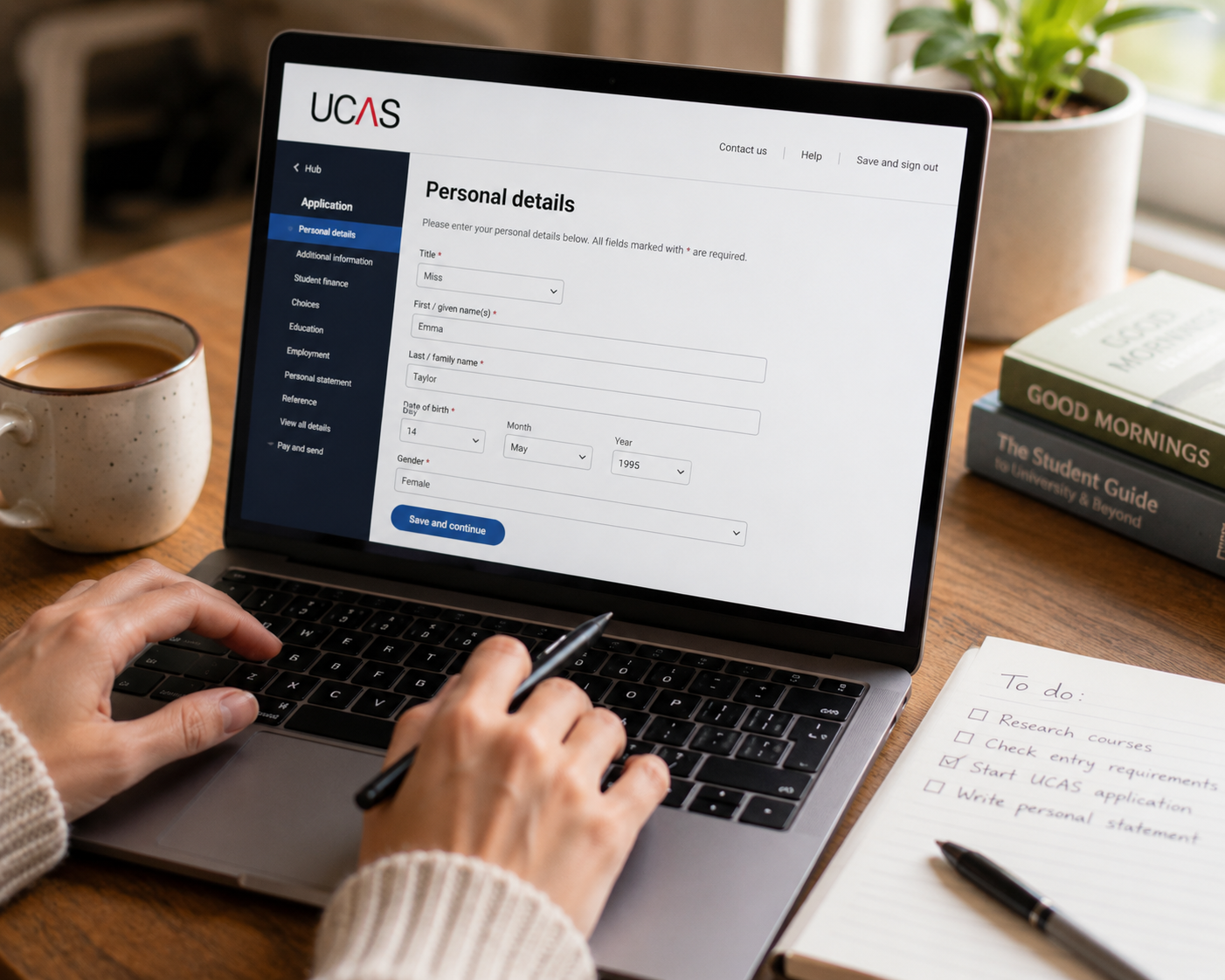
If the thought "I'd love to go to university, but I don't have the right qualifications" has been sitting at the back of your mind, you're far from alone. Maybe you left school without A-levels, you're thinking about a completely different career, or it's simply been a long time since you sat in a classroom. The good news is that there's a well-established, respected route back in — and it doesn't involve retaking your A-levels from scratch.
What exactly is an Access to HE Diploma?
The Access to Higher Education (Access to HE) Diploma is a Level 3 qualification designed specifically for adults who want to study at university but don't hold the usual entry qualifications. Once you complete it, it's treated as equivalent to A-levels, and it carries UCAS Tariff points in the same way A-levels do, so you can use it to apply for a degree through UCAS in the normal way.
The framework has been running since 1989 and is overseen by the Quality Assurance Agency for Higher Education (QAA), which licenses colleges to design and deliver approved diplomas. Universities are involved in developing course content too, which is part of why the diploma is so widely recognised — many universities actively welcome applications from Access to HE students rather than merely tolerating them.
Who is it actually for?
Access to HE courses are aimed at adults, typically aged 19 and over, who've been out of full-time education for a while and don't have a Level 3 qualification such as A-levels. That covers a lot of different situations — and there's no single "right" background.
- You left school or college without A-levels, or with results you don't think reflect what you're capable of now
- You're changing career and need a recognised qualification to get onto a specific degree, such as nursing, social work or law
- You've been working, raising a family, or caring for someone, and are only now able to consider studying again
- You want a structured, supported way back into academic study before committing to a full degree
Courses are available in a wide range of subjects, and how you study is flexible too — many colleges offer full-time one-year courses, part-time options over two years, or intensive fast-track routes, so it's worth checking what a particular college offers around your work or family commitments.
What does the course actually involve?
Alongside subject content in your chosen area, every Access to HE Diploma includes a Study Skills element — things like academic writing, research, note-taking and presentation skills. This isn't just padding; it's there because the jump from everyday life back into academic study can feel like the biggest hurdle, and colleges know it.
Most courses ask for a minimum of Level 2 Maths and English (broadly GCSE level), and you'll usually be invited to an interview as part of applying, partly so the college can talk through which universities and courses you're aiming for.
Access to HE was built for exactly this situation: people who are ready to study, but whose paperwork doesn't yet show it.
How do you pay for it?
Most adult learners fund an Access to HE Diploma through an Advanced Learner Loan from Student Finance England. It's not means-tested, there's no credit check, and eligibility isn't based on your income. You only start repaying after you finish or leave the course, and only once your income is above the relevant threshold.
Here's the part many people don't realise: if you complete your Access to HE Diploma and then go on to complete a higher education qualification, the outstanding balance of that Advanced Learner Loan is written off in full. In effect, if you finish both courses, the Access course ends up costing you nothing. Some learners may also be able to access a grant instead of a loan for their course, so it's always worth asking your college what's available before you apply for funding.
Is it the right route for you?
Only you can really answer that, and it depends on your subject, your circumstances, and where you want to end up — an Access to HE Diploma isn't the only route into university, and it won't guarantee a place on any particular course. But if you've got the motivation to study and just need the qualification to match it, it's a genuinely respected and well-trodden path, not a consolation prize.
If you're weighing this up and would find it useful to talk it through with someone who knows the system, GradForward offers free guidance to students on routes like this, including how an Access to HE Diploma fits with specific university and course requirements. Our service is free for students to use — we're paid by universities, not by you. Get in touch whenever you're ready, even if all you have right now are questions.